
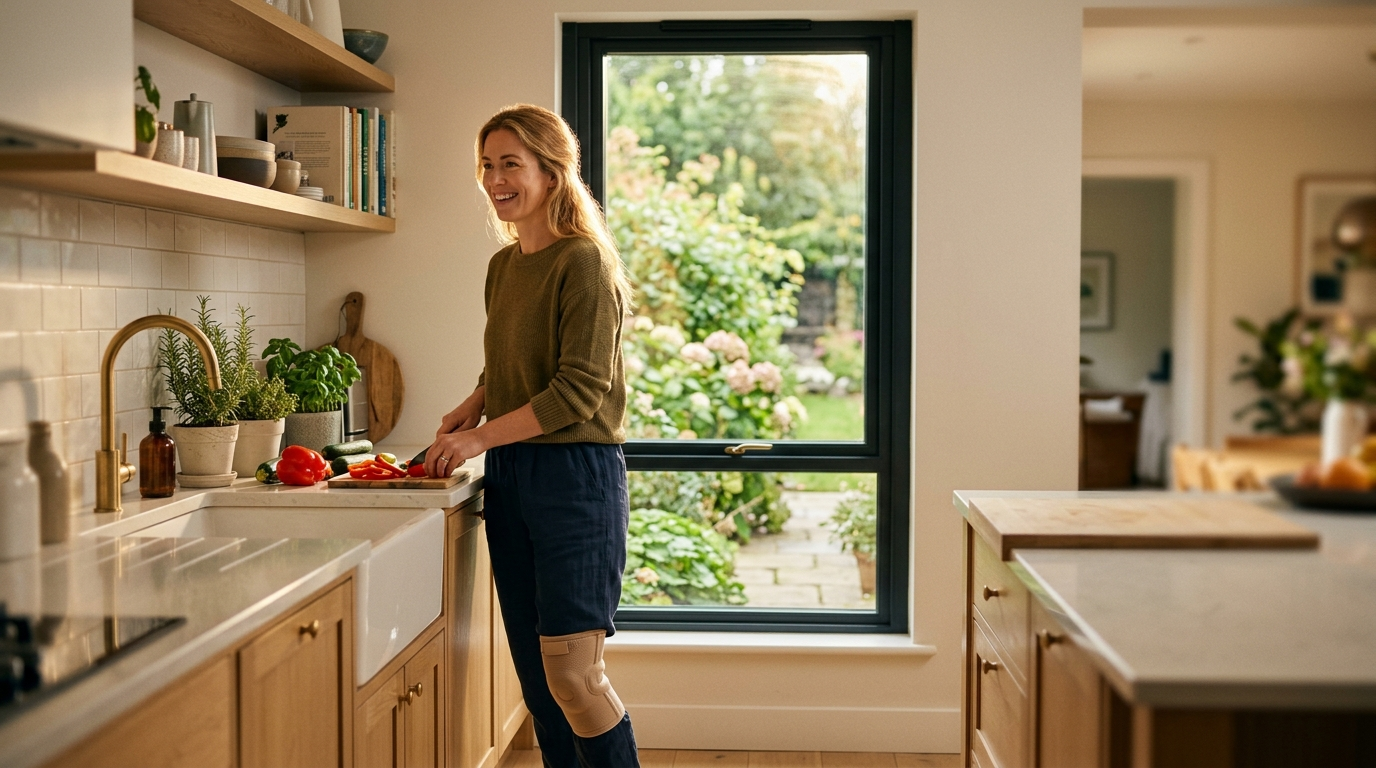
Whether you spend long hours on your feet, enjoy leisurely walks along the coast, or simply want to move through your day with greater confidence, a quality knee support can make a meaningful difference. Knee supports are among the most widely used joint aids available — and for good reason. The knee is one of the body"s most complex and load-bearing joints, and even mild instability or discomfort can affect how freely and confidently you move.
With so many options on the market, choosing the best knee support for everyday use can feel overwhelming. Sleeve styles, hinged braces, wraparound designs, open-patella supports — each type serves a different purpose, and understanding those differences is the key to making the right choice. This guide walks you through everything you need to know, from the different types of knee supports available to the key features worth prioritising.
At elderlycareproducts.ie, we stock a carefully selected range of knee supports designed for comfortable, consistent daily wear. Our collection is sourced from trusted suppliers including Fleming Medical, based in Limerick, ensuring reliable quality and delivery across Ireland.
Types of Knee Supports for Everyday Use
Not all knee supports are created equal. The right style depends on the level of support you need, your activity level, and how the support will fit into your daily routine. Here is an overview of the most common types you will encounter.
Compression Knee Sleeves
Compression sleeves are the most straightforward and widely used type of knee support. They slide on like a sock and provide consistent, even compression around the knee joint. This gentle pressure helps promote circulation, reduces swelling, and provides a reassuring sense of stability during everyday activities such as walking, standing, or light exercise.
Compression sleeves are ideal for those who want lightweight, discreet support that can be worn under trousers or leggings without any bulk. They are generally made from breathable neoprene or elasticated fabric and are well-suited to all-day wear.
Open-Patella Knee Supports
Open-patella supports feature a circular or oval cutout at the front of the brace, which leaves the kneecap exposed. This design helps to centre and stabilise the patella during movement, reducing the sensation of the kneecap shifting or grinding. Many people find open-patella designs significantly more comfortable for extended wear, particularly when climbing stairs or rising from a seated position.
Hinged Knee Braces
Hinged braces incorporate rigid or semi-rigid side hinges that provide a higher level of lateral stability. These are typically recommended following injury, surgery, or where there is noticeable joint laxity. While they are bulkier than sleeve-style supports, modern hinged braces are designed to be as low-profile as possible, and many feature adjustable strapping systems for a personalised fit.
Wraparound and Strap-Based Supports
Wraparound supports use adjustable hook-and-loop straps rather than a pull-on design, making them much easier to put on and take off — a practical consideration for those who find bending or stretching difficult. These supports allow a more customised level of compression and can often be adjusted throughout the day as needed. Patellar strap designs, which apply targeted pressure just below the kneecap, are a popular option for those who experience discomfort at the front of the knee during activity.
Key Features to Look for in an Everyday Knee Support
Once you have identified the style of support that suits your needs, there are several specific features worth evaluating before making your purchase. The best knee support for everyday use will balance comfort, functionality, and durability across many hours of wear.
Breathable, Skin-Friendly Materials
An everyday knee support must be comfortable enough to wear for hours at a time without causing irritation. Look for supports made from breathable neoprene, moisture-wicking fabrics, or perforated panels that allow air circulation. If you have sensitive skin, check that the materials are latex-free and hypoallergenic. A clammy or itchy support is unlikely to be worn consistently, which defeats the purpose entirely.
Correct Sizing and Adjustability
Fit is arguably the most important factor in knee support effectiveness. A support that is too tight may restrict circulation, while one that is too loose will not provide meaningful stabilisation. Most quality knee supports are sized by measuring the circumference of the knee or thigh at a specific point. Always consult the manufacturer"s sizing guide before purchasing. Adjustable straps or multiple sizing options are a significant advantage, as they allow the support to be fine-tuned to your exact measurements.
Ease of Application
For a knee support to be used consistently each day, it needs to be easy to put on and remove independently. Pull-on sleeves require some dexterity and flexibility, while wraparound designs with velcro straps are generally easier to manage. Consider how you will apply the support as part of your morning routine, particularly if reaching down is uncomfortable.
Profile and Wearability Under Clothing
If you plan to wear your knee support throughout the day — including when out of the house — a low-profile design that fits discreetly under trousers or a skirt is likely preferable. Thinner compression sleeves and open-patella supports tend to be the most wearable under everyday clothing, whereas hinged braces may be more noticeable.
Durability and Washability
A knee support worn daily will need regular washing to maintain hygiene and performance. Check whether the support is hand washable or machine washable, and how well it retains its shape and compression over time. Quality supports from reputable manufacturers maintain their structure through consistent washing and wear far better than budget alternatives.
Explore our full range of joint supports at elderlycareproducts.ie to find the option that best fits your lifestyle and requirements.
How to Choose the Right Knee Support for Your Daily Routine
Choosing a knee support is not a one-size-fits-all decision. Your daily activities, the nature of any discomfort, and your personal preferences all play a role in determining which product will serve you best. Here are some practical considerations to guide your decision.
Consider Your Activity Level
If your day primarily involves light activities such as walking around the home, shopping, or gentle outdoor strolls, a compression sleeve or open-patella support will likely provide sufficient stability and comfort. For more active individuals who enjoy longer walks, gardening, or low-impact exercise, a wraparound support with additional strapping may offer better security during movement.
Think About When You Need Support Most
Some people find their knees feel most vulnerable first thing in the morning, when joints can feel stiff after rest. Others notice discomfort more acutely after prolonged standing or walking. Identifying when you need support most can help you decide whether you need a support for all-day wear or one used during specific activities. Lightweight compression sleeves are well-suited to all-day use, while more structured supports may be better reserved for activities that place greater demand on the joint.
Pair Your Knee Support with Supportive Footwear
A knee support works most effectively as part of a broader approach to joint care. Wearing well-fitting, supportive footwear reduces the load transmitted through the knee with each step. Our footcare range at elderlycareproducts.ie includes options designed to promote comfortable, stable movement throughout the day.
Seek Professional Guidance Where Needed
If you are unsure which level of support is appropriate for your circumstances, or if you have recently experienced a knee injury, it is always advisable to speak with your GP, physiotherapist, or pharmacist before purchasing. A healthcare professional can assess joint stability and recommend the most suitable type of support for your specific needs. Please note that knee supports are functional aids and are not intended to diagnose, treat, or cure any medical condition.
Caring for Your Knee Support to Maximise Its Lifespan
Even the best knee support will lose its effectiveness over time if not properly maintained. Simple habits can significantly extend the life of your support and ensure it continues to deliver consistent results.
Washing and Drying
Most fabric and neoprene knee supports should be hand washed in cool water using a mild detergent. Avoid machine washing unless the manufacturer explicitly states it is safe to do so, as high temperatures and spin cycles can degrade elasticated materials and compromise compression. Always air dry your support flat, away from direct heat sources such as radiators, which can cause the fabric to lose its shape and elasticity.
When to Replace Your Knee Support
Over time, the elastic and compression properties of a knee support will naturally diminish with regular use. Signs that a support needs replacing include visible stretching or bagging of the fabric, reduced compression sensation, or fraying around the edges. As a general guide, daily-use supports should be assessed every three to six months, and replaced when they no longer provide the firm, snug fit they did when new.
Storage Tips
When not in use, store your knee support rolled loosely or laid flat in a drawer rather than compressed tightly or folded in a way that could distort the shape. Keep it away from direct sunlight, which can degrade synthetic materials over time.
Browse our best-selling products at elderlycareproducts.ie to see which supports our customers find most effective for consistent, everyday use.
Frequently Asked Questions About Knee Supports
How do I know what size knee support to buy?
Sizing varies by manufacturer, but most knee supports are sized using the circumference measurement of the knee at its widest point, or sometimes the thigh just above the knee. Always refer to the specific sizing chart provided with the product. If you fall between two sizes, it is generally recommended to choose the larger size to avoid overly tight compression, though adjustable designs remove much of the guesswork.
Can I wear a knee support all day?
Many compression sleeves and lightweight open-patella supports are designed for extended daily wear and are comfortable enough for all-day use. However, it is generally advisable to remove your support for periods of rest and to allow the skin to breathe. If you notice any numbness, tingling, or increased discomfort while wearing a support, remove it and consult a healthcare professional.
Will a knee support help with stiffness after sitting for long periods?
A compression knee support can help reduce the sensation of stiffness during and after periods of sitting, as the gentle compression promotes circulation around the joint. Open-patella designs are often particularly helpful when rising from a seated position, as they help guide the kneecap during the movement. That said, regular gentle movement is also important — try to avoid sitting for very long periods without taking short walking breaks.
Are knee supports suitable for use during sleep?
Most everyday knee supports are not designed to be worn during sleep and can restrict circulation if worn for extended periods in a resting position. If nocturnal knee support is required — for example, to maintain a specific joint angle during recovery — a dedicated night splint or positioning aid is more appropriate. Speak to a physiotherapist or GP for guidance on overnight support options.
How soon can I expect to notice a difference when wearing a knee support?
Many people notice an immediate improvement in stability and confidence from the first wear, as the compression and structure of the support provide tangible feedback to the joint during movement. Over time, consistent use can help reduce swelling and fatigue following activity. Results will vary depending on individual circumstances, and a knee support should be used as a complementary aid alongside appropriate activity and any professional advice you have received.
Can knee supports be worn alongside other joint supports?
In most cases, yes — knee supports can be worn at the same time as supports for other joints such as ankles or wrists, provided each support fits correctly and does not restrict circulation. If you require support for multiple joints simultaneously, it may be worth speaking with a physiotherapist to ensure your overall approach is well-coordinated.
Conclusion
Choosing the best knee support for everyday use comes down to understanding your needs, your daily activities, and the specific features that will make a support both effective and comfortable to wear consistently. Whether you opt for a simple compression sleeve, an open-patella brace, or a more structured wraparound design, the most important factor is finding a support you will wear reliably — because a support left in a drawer provides no benefit at all.
At elderlycareproducts.ie, we are committed to providing well-chosen, high-quality joint supports that fit seamlessly into daily life. Our range is stocked with delivery available across the Republic of Ireland, supplied by Fleming Medical from Limerick. To explore the full range and find the right support for your needs, visit our joint supports collection at elderlycareproducts.ie today.