
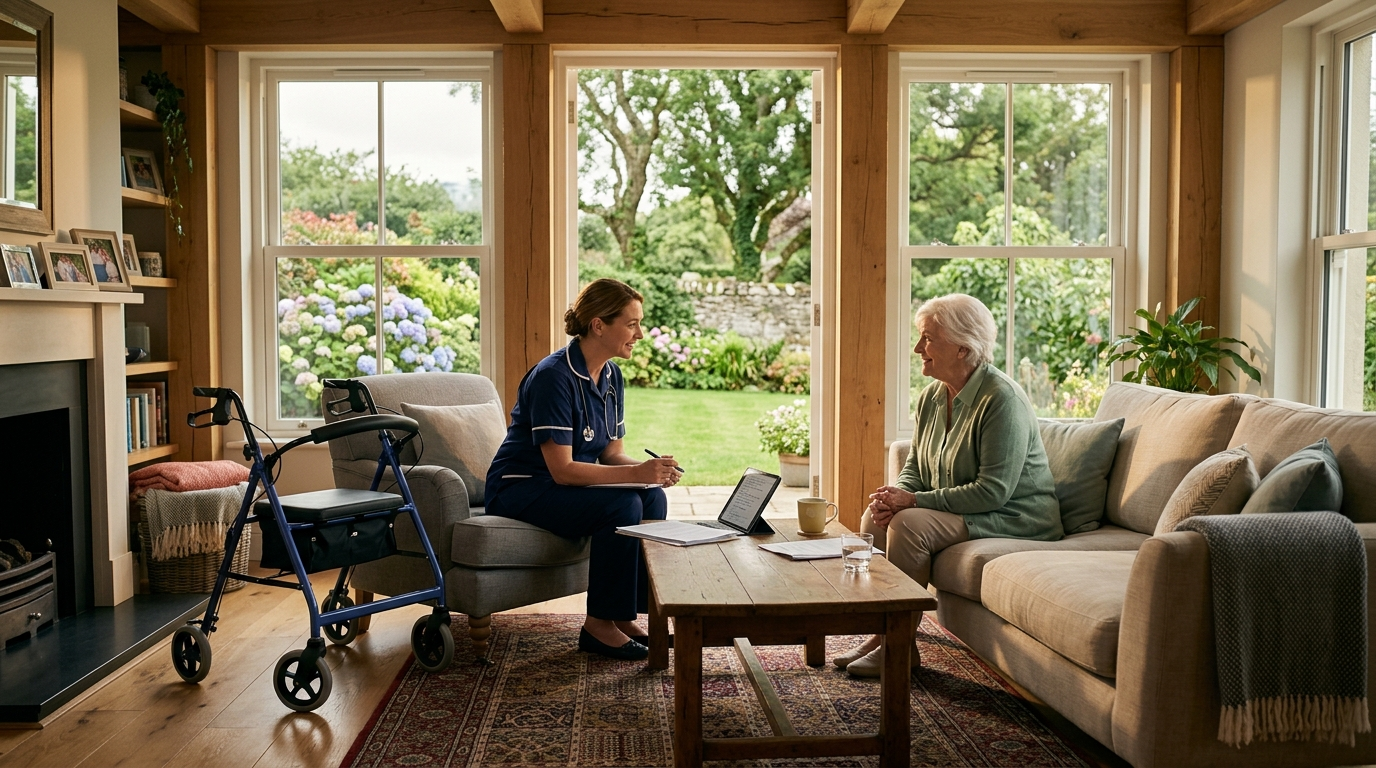
Navigating the landscape of HSE home care supports and equipment in Ireland can feel overwhelming, particularly when you are trying to act quickly on behalf of someone you care about. The Health Service Executive (HSE) provides a range of community-based supports designed to help people remain safely and comfortably in their own homes for as long as possible. Understanding exactly what is available, who qualifies, and how to access it is the first step towards getting the right equipment in place.
In 2026, HSE home care supports and equipment schemes remain a vital resource for households across the Republic of Ireland. These programmes span everything from professional nursing visits and personal care assistance to the provision or funding of mobility aids, pressure-relief mattresses, and continence products. While the process can involve waiting lists and paperwork, knowing which supports exist — and how to complement them with privately sourced equipment — can make a meaningful difference to daily life.
This guide covers the key HSE funding pathways, the types of equipment they may cover, how to apply, and how elderlycareproducts.ie can help you bridge any gaps quickly while you work through the official process.
What HSE Home Care Supports Are Available in Ireland?
The HSE offers several distinct programmes under the umbrella of home care and community support. These are not a single scheme but a collection of services coordinated through your local HSE Community Healthcare Organisation (CHO). Understanding the difference between them helps you identify which pathway is most relevant to your situation.
Home Support Service (Formerly Home Help)
The Home Support Service provides practical assistance with daily living tasks such as personal hygiene, meal preparation, and mobility within the home. A HSE-funded home care worker may visit several times per week depending on assessed need. This service is means-tested for some components and requires a referral from a GP, public health nurse, or occupational therapist. Hours are allocated based on a formal needs assessment carried out by HSE staff.
Occupational Therapy Assessment for Equipment
One of the most direct routes to HSE-funded home equipment is through a referral to a HSE Occupational Therapist (OT). An OT assessment evaluates the home environment and identifies what aids or adaptations may be required. The OT can recommend — and in some cases directly source — items such as:
- Grab rails and handrails
- Shower chairs and bath boards
- Raised toilet seats
- Walking frames and rollators
- Pressure-relief mattresses
- Wheelchair provision in some circumstances
It is important to note that waiting times for HSE OT assessments can be lengthy in some regions. Many families choose to source equipment independently in the meantime, then claim reimbursement where applicable or simply ensure the home is safe without delay.
Enhanced Community Care and Chronic Disease Management
Under the Sláintecare reform agenda, the HSE has been expanding Enhanced Community Care (ECC) networks across Ireland. These networks include Community Healthcare Networks (CHNs) and Community Specialist Teams. If the person you are supporting has a chronic condition being managed through their GP or a specialist team, they may be able to access equipment and support through these pathways as well. Ask your GP or public health nurse whether the local CHN has an OT or physiotherapist attached who can carry out a home assessment.
HSE Equipment Schemes and What They Cover
Beyond the general home support services, several specific HSE schemes relate directly to the provision of equipment and mobility aids in Ireland.
The Medical Card and Mobility Aids
Holding a full medical card does not automatically entitle a person to free mobility equipment; however, it does open pathways to subsidised provision through the HSE. A GP or hospital consultant can write a recommendation for certain items, which may then be sourced through the HSE supply chain at no direct cost to the individual. The range covered this way tends to be functional and standardised. If a person requires a higher-specification rollator, a lightweight wheelchair, or a specialist pressure mattress, they are generally expected to source and fund this privately — or apply through additional schemes.
Wheelchair Provision Through the HSE
The HSE provides wheelchairs for people who have a clinical need and a medical card, through the Primary Care Reimbursement Service (PCRS) or through hospital discharge processes. Standard manual wheelchairs are the most commonly provided. Electric wheelchairs and powered mobility devices are assessed on a case-by-case basis through specialist seating clinics, and waiting times can be significant. Many families supplement HSE provision with a privately purchased chair — particularly a lightweight or travel model — to ensure flexibility and immediate availability.
If you are researching wheelchair options while waiting on an HSE assessment, you can browse our wheelchair range at elderlycareproducts.ie to compare models and specifications.
Continence Products Through the HSE
The HSE provides certain continence products to medical card holders through the community nursing service and the PCRS. A public health nurse or continence advisor will assess the level of need and recommend appropriate products. The range available through the HSE is usually limited to standard pads and pull-ups. For people who require a wider choice of products — including shaped pads, bed protection, or washable options — supplementing HSE provision with privately purchased continence supplies is common practice.
Pressure Relief Mattresses and Hospital Beds
For people at risk of pressure injuries, the HSE can provide pressure-relief mattresses and overlays on foot of a clinical recommendation. This is typically arranged through the public health nurse, community physiotherapist, or following a hospital discharge. If the HSE provision is delayed or does not meet the specific comfort needs of the individual, a privately purchased pressure-relief mattress can be sourced and put in place immediately.
How to Apply for HSE Home Care Supports and Equipment
Accessing HSE supports generally follows a structured referral pathway. Knowing the steps in advance helps you move through the process more efficiently and avoid unnecessary delays.
Step 1: Speak to the GP
The General Practitioner is almost always the starting point. A GP can refer to the public health nurse, community OT, physiotherapist, or directly to the Home Support Service. Be specific about what you are observing at home — difficulty walking, falls risk, continence concerns, or pressure injury risk — so the GP can make the most appropriate referral.
Step 2: Public Health Nurse Assessment
Once a referral is made, the Public Health Nurse (PHN) often carries out an initial home visit to assess needs. The PHN coordinates with other community services and can escalate referrals where required. This is also the person to speak to about continence product provision and pressure care.
Step 3: Occupational Therapy Assessment
If equipment or home adaptation is required, an OT assessment is the critical next step. This assessment determines what is clinically indicated and what the HSE may provide. You can also request a private OT assessment if waiting times are too long — many private OTs in Ireland will produce a report that can be submitted to the HSE or used to guide a private equipment purchase.
Step 4: Application and Approval
Once an assessment is complete, the OT or PHN submits the relevant paperwork to the HSE for approval. Some items are approved quickly; others require additional clinical sign-off or go through a waiting list. Keep records of all referrals, assessment dates, and correspondence. Follow up regularly with the relevant HSE department, as proactive communication often helps move cases forward.
Step 5: Source Equipment Independently if Needed
Where HSE timelines do not align with immediate need, or where the equipment provided does not fully meet requirements, sourcing equipment independently is a practical and common solution. Elderlycareproducts.ie supplies a wide range of mobility aids, rollators, wheelchairs, continence products, and supports directly to homes across Ireland. Our products are sourced from trusted suppliers including Timago (Poland) and Fleming Medical (Limerick), with typical dispatch times of three to seven working days.
You can explore our full rollator and walking frame range to find a model suited to your situation while you await HSE provision.
Complementing HSE Supports with Privately Sourced Equipment
HSE home care supports are a valuable safety net, but they are rarely comprehensive enough on their own. Many families find that a mixed approach — combining what the HSE provides with targeted private purchases — delivers the best outcome for the person living at home.
Where Private Equipment Adds Value
There are several areas where privately sourced equipment typically complements HSE provision:
- Speed: HSE assessment and approval processes take time. Purchasing equipment directly means it can be in place within days rather than weeks or months.
- Choice: HSE provision tends to be standardised. Private purchase allows you to select the most appropriate specification — for example, a rollator with a seat and basket, or a lightweight folding wheelchair for travel.
- Quantity: The HSE generally funds one item per category. If a second rollator is needed for upstairs and downstairs use, or a spare continence supply is required, this usually falls to the individual to source.
- Comfort upgrades: A standard HSE mattress overlay may suffice clinically, but a higher-specification pressure mattress may offer greater comfort and peace of mind.
Joint Supports and Footcare
Joint supports and footcare products are generally outside the scope of routine HSE equipment provision, yet they play an important role in maintaining steady, confident movement at home. Wrist supports, knee braces, compression socks, and specialist insoles can all be sourced privately. Elderlycareproducts.ie carries a range of joint supports selected for everyday comfort and ease of use.
Frequently Asked Questions About HSE Home Care Supports and Equipment
How do I apply for HSE home care support in Ireland?
Start by contacting your GP and explaining the home care needs in detail. Your GP can refer you to the public health nurse, a community occupational therapist, or directly to the HSE Home Support Service. The assessment process will then determine what supports and equipment may be provided. You can also contact your local HSE Community Healthcare Organisation (CHO) directly for information on the application process.
Is there a waiting list for HSE occupational therapy assessments?
Yes, waiting times for HSE OT assessments vary considerably by region and can range from a few weeks to several months. If an immediate assessment is needed, a private occupational therapist can carry out a home assessment and produce a report relatively quickly. This can inform both a private equipment purchase and a future HSE application.
Will the HSE provide a rollator or walking frame?
In some cases, yes. A HSE occupational therapist or physiotherapist may prescribe and supply a basic walking frame or rollator following a clinical assessment. However, the range available through the HSE is limited. If you require a specific model — for example, one with a seat, a basket, or a lightweight aluminium frame — you will likely need to source this privately.
Can I get continence products through the HSE?
Medical card holders can access certain continence products through the community nursing service and the Primary Care Reimbursement Service (PCRS). A public health nurse or continence nurse specialist will assess the level of need and recommend suitable products. The HSE supply covers standard items; a wider range is available to purchase privately through suppliers such as elderlycareproducts.ie.
Does the HSE cover electric wheelchairs?
Electric or powered wheelchairs are assessed through specialist seating and mobility clinics within the HSE. Eligibility is based on clinical need and may require input from a specialist team. Waiting times for these assessments can be long. If you need a powered mobility solution more urgently, it is worth researching private options in parallel with the HSE process.
What if the equipment the HSE provides does not suit our needs?
HSE provision is clinically appropriate but may not always match personal preferences or specific functional requirements. There is no restriction on purchasing additional or alternative equipment privately. Many families use HSE-provided items as a baseline and supplement with privately sourced equipment that better suits the individual's day-to-day life at home.
Conclusion
HSE home care supports and equipment schemes in Ireland provide an important foundation for independent living, but they work best when understood as part of a broader approach. Knowing how to access them, what to expect from the process, and where to fill gaps quickly with privately sourced equipment gives families the best chance of having the right supports in place without unnecessary delay. Whether you are waiting on a HSE OT assessment or simply looking to supplement what has already been provided, the key is to act on the information available to you now.
At elderlycareproducts.ie, we stock a carefully selected range of mobility aids, rollators, wheelchairs, mattresses, joint supports, and continence products — all available for delivery across the Republic of Ireland. Visit our full product range to find the right equipment for your home today.