
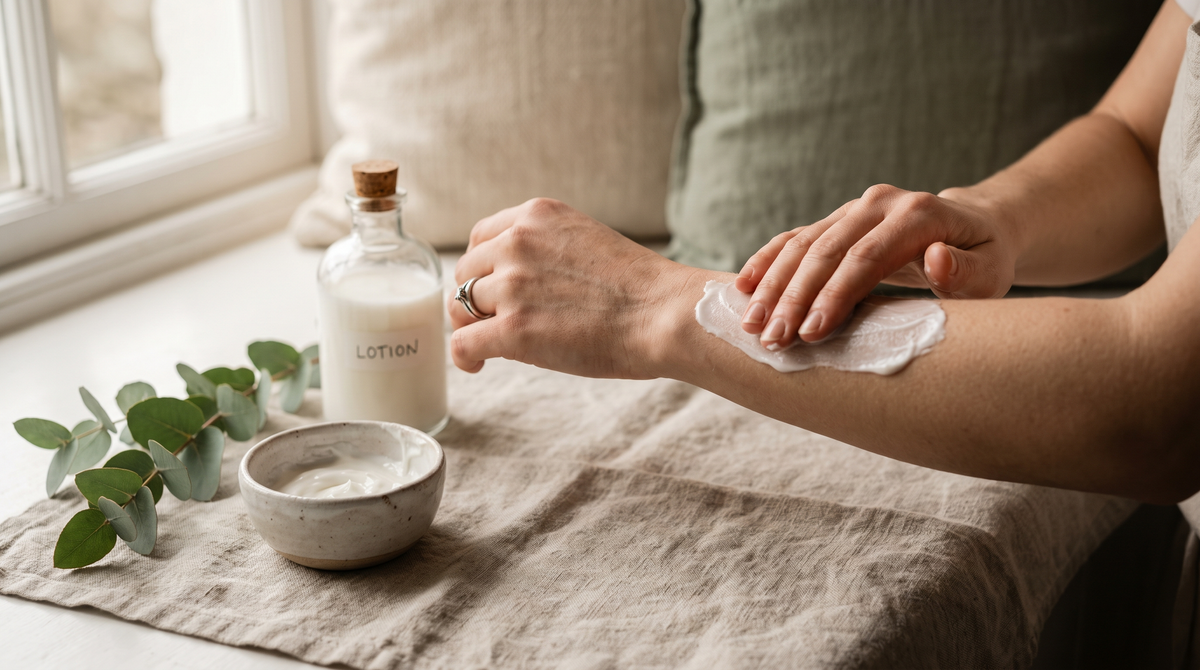
Maintaining healthy, comfortable skin requires more thought than many people realise — particularly when the skin has become more reactive, dry, or prone to irritation over time. Gentle skincare essentials for sensitive skin are not about luxury; they are about choosing the right formulations that cleanse, protect, and nourish without stripping the skin's natural defences. Whether you are managing daily personal care at home, supporting a family member, or simply making more considered choices about the products you use, understanding what your skin truly needs is the first step.
Sensitive skin can present in many different ways — tightness after washing, redness following product use, persistent dryness, or a tendency to react to fragrances and preservatives. These responses are not unusual, and they do not require a complicated routine to address. In fact, a simpler, well-chosen selection of gentle skincare products often delivers far better results than a shelf full of heavily formulated options.
At elderlycareproducts.ie, we stock a carefully selected range of skincare and personal care products designed to support everyday skin health. This guide walks through the core categories of a gentle skincare routine, explains what to look for on product labels, and helps you build a regime that is both effective and kind to reactive skin.
Understanding Sensitive Skin and What It Needs
Before selecting any skincare products, it helps to understand what makes skin sensitive and why certain ingredients can trigger reactions. Sensitive skin often has a compromised or thinner protective barrier — the outermost layer of the skin known as the stratum corneum — which means it loses moisture more quickly and allows irritants to penetrate more easily.
Common Triggers to Avoid
Many conventional skincare products contain ingredients that, while effective for resilient skin types, can cause significant irritation when the skin barrier is compromised. When shopping for gentle skincare essentials for sensitive skin, look to avoid or limit the following:
- Synthetic fragrances: One of the most common causes of contact dermatitis and skin sensitisation. Even products labelled "fresh" or "clean scented" may contain synthetic fragrance compounds.
- Alcohol (denatured or SD alcohol): Found in many toners and hand sanitisers, these forms of alcohol can rapidly dehydrate and irritate the skin surface.
- Sulphates (SLS and SLES): Foaming agents used in many cleansers and shower gels that can disrupt the natural acid mantle of the skin.
- Parabens and harsh preservatives: Whilst widely debated, those with reactive skin often find products formulated without parabens feel more comfortable to use.
- Essential oils: Despite their natural origin, essential oils such as lavender, eucalyptus, and peppermint are among the most common causes of allergic skin reactions.
What Sensitive Skin Benefits From
In contrast, the following ingredients are well-tolerated by most sensitive skin types and actively support skin health and barrier function:
- Glycerin: A gentle humectant that draws moisture into the skin without causing irritation.
- Ceramides: Lipid molecules that help restore and reinforce the skin's natural protective barrier.
- Hyaluronic acid: A hydrating ingredient that holds moisture in the skin — effective even in very low concentrations.
- Colloidal oatmeal: Clinically recognised as a skin protectant, ideal for soothing reactive or itchy skin.
- Zinc oxide: A physical barrier ingredient commonly used in protective barrier creams, particularly useful for skin exposed to moisture or friction.
- Aloe vera: A naturally soothing ingredient with mild anti-inflammatory properties, well-suited to calming redness.
Building a Gentle Daily Skincare Routine
A consistent, gentle skincare routine does not need to involve many steps. For sensitive skin, less is frequently more. The core routine for everyday skin health focuses on three fundamentals: cleansing, moisturising, and protecting.
Step One: Gentle Cleansing
Cleansing is the foundation of any skincare routine, but for sensitive skin it must be done carefully. The goal is to remove surface impurities, light sweat, and product residue without compromising the skin's moisture barrier or altering its natural pH.
Look for soap-free or syndet (synthetic detergent) cleansers with a neutral or slightly acidic pH. Cream cleansers, micellar waters, and gentle foam washes formulated without sulphates are all good choices. Avoid using very hot water, which further dehydrates the skin, and opt for lukewarm water instead. Pat the skin dry with a soft towel rather than rubbing.
For those who require assistance with personal hygiene or who find regular bathing physically demanding, browse our body care and bathing range at elderlycareproducts.ie for gentle wash products and no-rinse cleansing options suited to daily skin care.
Step Two: Moisturising Effectively
Moisturising is arguably the single most important step in any sensitive skincare routine. A good moisturiser for sensitive skin should contain a combination of humectants (to attract water), emollients (to soften the skin), and occlusives (to seal moisture in). Applied to slightly damp skin immediately after cleansing, a well-formulated moisturiser can significantly reduce transepidermal water loss.
For very dry or dehydrated skin, a thicker cream or balm formulation — often described as an emollient or barrier cream — will provide greater occlusive protection than a lightweight lotion. These are particularly useful during colder months, when central heating and lower outdoor humidity accelerate skin drying.
Key features to look for in a sensitive skin moisturiser:
- Fragrance-free or labelled "free from synthetic fragrance"
- Contains glycerin, ceramides, or hyaluronic acid
- Dermatologist-tested or hypoallergenic labelling
- Free from colourants and unnecessary additives
- Suitable for daily use on the face and body
Step Three: Protecting the Skin Barrier
Beyond moisturising, certain situations call for additional skin protection. Areas of skin exposed to repeated moisture, friction, or pressure — such as the hands, feet, heels, and skin around continence management areas — benefit significantly from dedicated barrier creams or protective ointments.
Barrier creams typically contain zinc oxide, dimethicone, or petrolatum as their primary protective agents. These ingredients create a physical layer over the skin surface, preventing moisture from softening and breaking down the skin. They are especially relevant for maintaining comfortable, healthy skin in everyday use, and are a core staple in any home personal care kit.
Explore our skin protection and barrier cream range at elderlycareproducts.ie for a selection of products suited to daily protective skincare.
Skincare for the Hands and Feet
The hands and feet are among the most heavily used — and most commonly neglected — areas of skin on the body. Both are exposed to far more friction, washing, and environmental stress than most other areas, making them particularly susceptible to dryness, cracking, and irritation when the skin barrier is compromised.
Hand Care Essentials
Frequent handwashing, while essential for hygiene, can significantly deplete the skin's natural oils. This is especially pronounced in cooler weather or when antibacterial soaps are used regularly. A simple but consistent hand care routine makes a considerable difference:
- Use a gentle, fragrance-free hand wash with moisturising properties rather than a standard bar soap or antibacterial gel.
- Apply a rich, fragrance-free hand cream immediately after washing and drying the hands.
- Consider overnight treatment with a thicker emollient hand cream, worn under lightweight cotton gloves for deeper hydration.
- Keep a small hand cream beside every sink in the home as a visual reminder to moisturise after each wash.
Our hand and nail care collection at elderlycareproducts.ie includes gentle hand creams and nail care products designed for regular, comfortable use.
Foot Care for Dry and Sensitive Skin
Dry, cracked heels are a common concern and can become uncomfortable or even painful when left unmanaged. The skin on the soles of the feet contains no sebaceous glands, meaning it produces no natural oil and is entirely reliant on external moisturisation to stay supple.
A dedicated foot cream with urea (typically at 10–25% concentration) is highly effective for softening hardened skin and reducing dryness without irritation. Urea is well-tolerated by most skin types, including sensitive skin, and is a clinically accepted ingredient for dry foot conditions. Applying foot cream after a bath or shower, when the skin is clean and slightly warm, improves absorption considerably.
For a broader selection of foot care essentials, visit our footcare collection at elderlycareproducts.ie.
Skincare Ingredients Worth Knowing: A Quick Reference
Navigating skincare product labels can feel overwhelming, particularly when ingredient lists are long and technical. The following reference covers some of the most commonly encountered ingredients in gentle skincare products, helping you make more informed choices.
Beneficial Ingredients for Sensitive Skin
- Glycerin (Glycerol): Humectant; draws moisture into the skin. Universally well-tolerated.
- Ceramide NP / AP / EOP: Lipids that restore the skin barrier. Look for these in moisturisers and barrier creams.
- Niacinamide (Vitamin B3): Reduces redness, supports barrier function, and is generally well-tolerated at concentrations of 2–5%.
- Panthenol (Pro-Vitamin B5): Soothing and moisturising; helps improve skin elasticity and comfort.
- Bisabolol: A naturally derived ingredient from chamomile, known for its calming and anti-irritant properties.
- Allantoin: A gentle skin-conditioning agent that supports cell renewal and soothes irritated skin.
Ingredients to Use Cautiously
- Retinol: Effective for skin renewal but can cause irritation on sensitive skin. Use with caution and introduce very gradually.
- Alpha Hydroxy Acids (AHAs): Exfoliating acids such as glycolic and lactic acid can be beneficial in low concentrations but may irritate reactive skin.
- Vitamin C (L-Ascorbic Acid): Antioxidant with brightening properties, but can cause stinging on sensitive skin at higher concentrations. Look for stabilised, lower-concentration formulations.
Frequently Asked Questions About Gentle Skincare for Sensitive Skin
What is the best moisturiser for very dry, sensitive skin?
The best moisturiser for very dry, sensitive skin is a fragrance-free, thick cream or ointment containing ceramides, glycerin, or hyaluronic acid. Emollient-rich formulations that are free from alcohol, dyes, and synthetic fragrance are the most reliably well-tolerated. Look for products labelled dermatologist-tested or hypoallergenic for additional reassurance.
How often should I moisturise sensitive skin?
For sensitive and dry skin, moisturising at least twice daily is generally recommended — once in the morning and once at night. Applying moisturiser to slightly damp skin immediately after bathing or washing is one of the most effective ways to lock in hydration. During colder months, you may find you need to moisturise more frequently, particularly on the hands.
Can I use the same moisturiser on my face and body?
Many gentle, fragrance-free body moisturisers are suitable for use on the face, particularly those formulated with ceramides or colloidal oatmeal. However, facial skin can be more reactive than body skin, so if you notice any sensitivity after applying a body moisturiser to your face, it is worth switching to a product specifically formulated for facial use. Always patch test new products before applying them to a large area.
What is a barrier cream, and when should I use one?
A barrier cream is a thicker, protective formulation — typically containing zinc oxide, dimethicone, or petrolatum — that creates a physical protective film over the skin surface. Barrier creams are used to protect skin that is exposed to repeated moisture, friction, or irritants. They are a core staple in skin protection routines and are widely used in home care settings.
Are natural or organic skincare products always better for sensitive skin?
Not necessarily. Many natural ingredients, including essential oils, plant extracts, and botanical fragrance, are among the most common causes of skin reactions in people with sensitive skin. The most important factor is not whether an ingredient is natural or synthetic, but whether it is appropriate for your specific skin type. Fragrance-free, hypoallergenic products — regardless of their natural or synthetic origin — are generally the safest choice for sensitive skin.
How do I do a patch test for a new skincare product?
Apply a small amount of the new product to a discrete area of skin — the inside of the wrist or the crook of the elbow are commonly used sites. Leave the product on without washing it off, and observe the area over 24–48 hours. If you notice any redness, itching, stinging, or swelling, discontinue use. If the skin remains calm and comfortable, the product is likely suitable for wider use.
Building a Simple, Sustainable Sensitive Skincare Routine
The best skincare routine is one that is simple enough to follow consistently every day. For sensitive skin, this means a streamlined selection of well-chosen, gentle products rather than a complicated multi-step regime. Start with the basics — a gentle cleanser, a good moisturiser, and a protective barrier cream where needed — and introduce any additional products one at a time so that you can identify and eliminate anything that does not agree with your skin.
Good skin health is also supported by adequate hydration, a varied diet rich in essential fatty acids, and protecting exposed skin from wind and cold with appropriate clothing and topical protection. These simple everyday habits complement any topical skincare routine and contribute to more resilient, comfortable skin over time.
At elderlycareproducts.ie, we are committed to stocking personal care products that support everyday wellbeing in a practical and accessible way. Whether you are looking to refresh your own skincare essentials or sourcing products to support someone at home, our skincare collection and broader personal care range offer a carefully curated selection to suit a variety of skin care needs. Browse online today and find the gentle skincare essentials that work for you.