
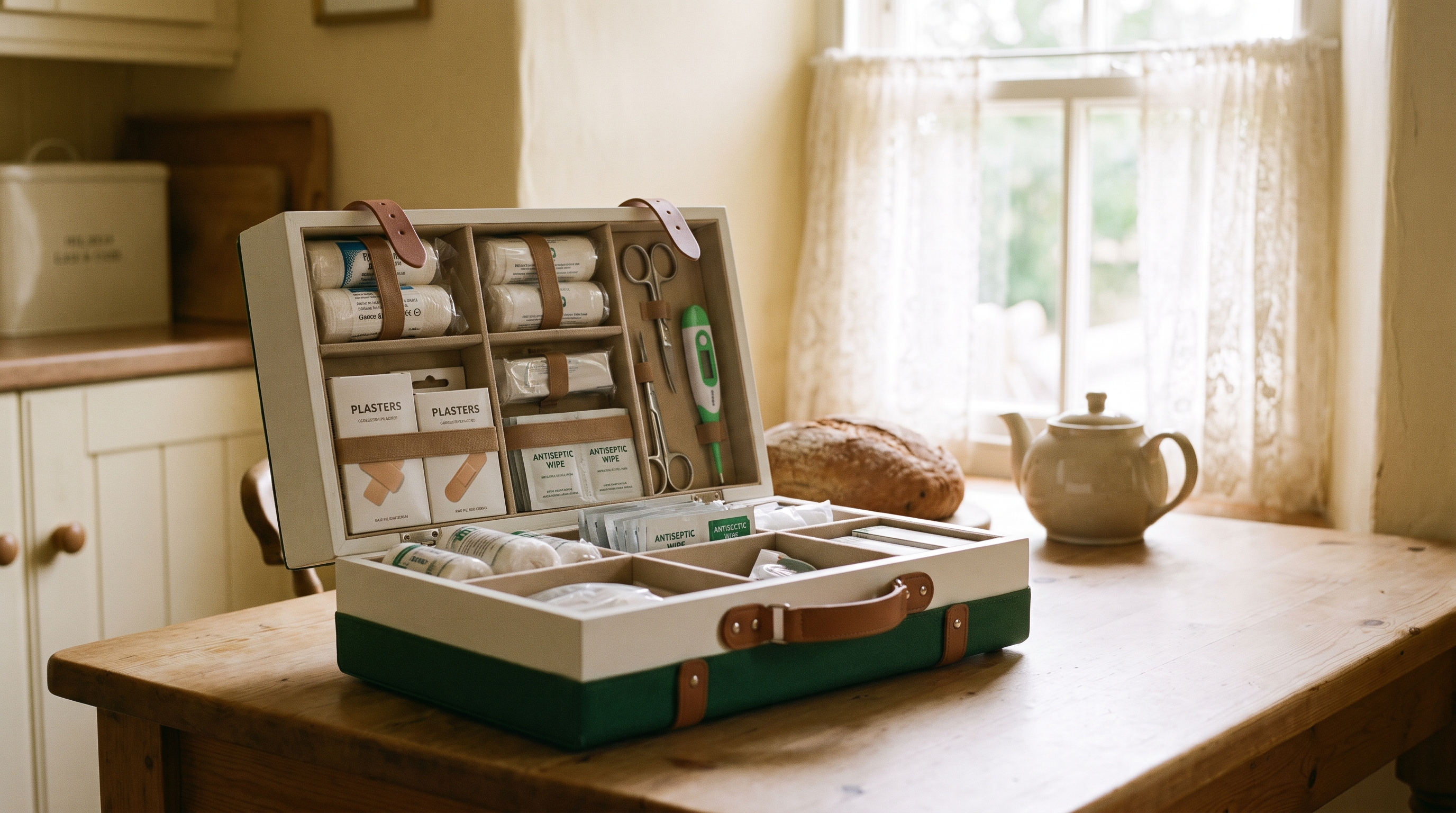
A well-stocked home first aid kit is one of the most practical things you can have in your household. Whether you are managing a minor cut in the kitchen, responding to a sudden headache, or dealing with an unexpected bump or bruise, having the right supplies close at hand makes it far easier to respond calmly and effectively. Building a home first aid kit does not need to be complicated or expensive — it simply requires knowing what the essentials are and keeping them organised in one accessible place.
In Ireland, many households rely on a patchwork of half-used plasters and out-of-date antiseptic creams tucked away in various drawers. A purpose-built home first aid kit changes that entirely. It means you always know exactly where your supplies are, what condition they are in, and whether they are still within their use-by date. That peace of mind is genuinely valuable, particularly in a home where confident, independent day-to-day living matters.
This guide walks you through everything you need to consider when building a home first aid kit — from the core essentials to optional extras worth considering, through to practical tips on storage, maintenance, and when to seek professional medical advice.
Why Every Home Should Have a First Aid Kit
Minor accidents and everyday health incidents happen in every household. Slips on wet floors, small cuts from cooking, splinters in the garden, mild burns from the oven — these are common, everyday occurrences. Being prepared is not about expecting the worst; it is about reducing the time between an incident happening and a calm, effective response being possible.
A home first aid kit also reduces the need for unnecessary trips to a pharmacy or GP for minor matters, which saves both time and money. For households where getting out of the house involves planning and effort, having supplies at home is especially helpful. It supports a sense of independence and self-sufficiency that many people find genuinely important to their daily confidence and wellbeing.
What Makes a Good First Aid Kit?
A good home first aid kit should be:
- Comprehensive: Covering the most common minor incidents without being overwhelming in size
- Organised: Items easy to locate quickly, even under mild stress
- Accessible: Stored somewhere known to all household members, easy to reach
- Up to date: Regularly checked so that nothing has expired or run out
- Clearly labelled: Each item or section marked so there is no confusion in the moment
You can purchase pre-assembled first aid kits as a solid starting point, or build your own from individual components — or combine both approaches. Explore our first aid range at elderlycareproducts.ie for a wide selection of supplies to help you get started.
The Essential Items for a Home First Aid Kit
When building a home first aid kit, certain items are considered non-negotiable by most first aid guidance bodies. These are the core supplies that address the most common types of minor injuries and health concerns encountered in a typical household.
Wound Care and Dressings
Treating cuts, grazes, and small wounds promptly and properly is important for preventing infection and supporting healing. Your kit should include:
- Assorted adhesive plasters — in a range of sizes, including waterproof options
- Sterile gauze pads — for covering larger wounds or applying pressure
- Sterile wound dressings — pre-packaged, individually sealed dressings in small and medium sizes
- Bandages — both crepe/conforming bandages and triangular bandages for support and slings
- Microporous tape — for securing dressings without causing skin irritation
- Antiseptic wipes — individually wrapped, for cleaning wounds before dressing
- Antiseptic cream or spray — to help prevent infection on minor cuts and grazes
Our wound care and dressings collection includes a range of quality products suitable for home use, from sterile dressings to adhesive plasters and beyond.
Tools and Instruments
Alongside consumable supplies, your kit should contain a small selection of useful instruments:
- Scissors (blunt-ended) — for cutting dressings, tape, or clothing if necessary
- Tweezers — for removing splinters or debris from wounds
- Disposable gloves — to maintain hygiene when treating another person
- Digital thermometer — to check for elevated temperature during illness
- Safety pins — for securing bandages and triangular slings
- A small torch or pen torch — useful for checking pupils, throats, or wounds in low light
Medications and Treatments
While prescription medications fall outside the scope of a standard first aid kit, a number of over-the-counter items are worth keeping at home:
- Paracetamol and/or ibuprofen — for pain relief and fever management (always follow dosage instructions)
- Antihistamine tablets — for mild allergic reactions, insect bites, or hayfever
- Indigestion relief — such as antacid tablets
- Eye wash solution — sterile saline for rinsing irritated or contaminated eyes
- Burn gel or burn dressing — for immediate cooling relief on minor burns
- Rehydration sachets — helpful during illness or after physical exertion in warm weather
Always check expiry dates on medications regularly and replace them as needed. Never use expired medications.
Skin Protection and Barrier Supplies
Skin integrity is an important consideration in home first aid, particularly where there is frequent contact with water, cleaning products, or where skin can become vulnerable through repeated use of adhesive dressings. Including skin protection products in your kit is a worthwhile step that many standard kits overlook.
What to Include for Skin Care
- Barrier cream or film — protects vulnerable skin from moisture, friction, and irritation
- Moisturising lotion — for maintaining skin condition, particularly on hands following frequent washing
- Hypoallergenic plasters — for those with sensitive skin who react to standard adhesive dressings
- Silicone-based dressings — gentle on skin, ideal where repeated dressing changes are anticipated
Our skin protection and barrier range offers products designed to support skin health as part of a broader home care routine.
Addressing Burns and Scalds
Burns and scalds from the kitchen are among the most common household injuries. Having the right supplies in your first aid kit means you can respond immediately and correctly:
- Cool the burn under cool (not cold) running water for at least 10 minutes
- Apply a sterile burn dressing or burn gel — do not use butter, toothpaste, or any home remedy
- Cover loosely with a clean, non-fluffy dressing
- Seek medical advice for burns larger than a postage stamp, burns to the face, hands, or joints, or any burn that appears deep or blistered
Health Monitoring: An Important Addition to Your Kit
Beyond treating injuries, a home first aid kit is increasingly seen as including basic health monitoring tools. Being able to check key indicators at home — temperature, blood pressure, blood oxygen levels — adds a meaningful layer of preparedness that supports confident, independent living.
Recommended Health Monitoring Tools
- Digital thermometer: Fast, accurate, and easy to read. Ear thermometers or forehead thermometers are particularly convenient for quick checks
- Blood pressure monitor: Upper arm monitors are considered more accurate than wrist-based alternatives for home use
- Pulse oximeter: A small clip-on device that measures blood oxygen saturation and pulse rate — useful during respiratory illness
- Glucose meter: For those who monitor blood sugar levels at home as part of their general health management
Explore our health monitoring collection for a curated range of reliable devices for home use. These are not diagnostic tools and do not replace professional medical assessment, but they can help you make informed decisions about when to seek advice.
Pill Management
If your household involves multiple medications being taken on a regular basis, pill management is a practical consideration worth including alongside your first aid kit. A clearly labelled pill organiser reduces the risk of missed or duplicated doses and helps maintain a consistent medication routine. Browse our pill management range for weekly and daily organisers in a variety of formats.
Organising and Storing Your Home First Aid Kit
Even the most comprehensive collection of supplies is only useful if it is well organised and easily accessible. How you store your kit matters as much as what you put in it.
Choosing the Right Container
- Choose a sturdy, clearly labelled container with a secure but easy-to-open lid
- A red or green cross marking on the outside makes it instantly recognisable in an emergency
- Opt for a container with compartments or trays to keep items separated and easy to locate
- Waterproof or splash-resistant containers are a good choice for kitchens and bathrooms
Where to Store It
- Store in a consistent, known location — somewhere all household members are aware of
- Keep it accessible but out of reach of young children if relevant
- Avoid storing in areas of extreme heat, cold, or humidity — do not store in the bathroom cabinet where steam can degrade supplies
- A kitchen cupboard, hallway press, or dedicated shelf in a utility room are all practical options
Maintaining Your Kit
A first aid kit is only effective if it is kept up to date. Set a reminder every six months to:
- Check expiry dates on all medications and sterile supplies
- Replace any items that have been used
- Check that packaging on sterile dressings and wipes is fully intact
- Ensure all tools (scissors, tweezers) are clean and in good working order
- Update any medications to reflect current household needs
Frequently Asked Questions
What is the most important item in a home first aid kit?
There is no single most important item — a well-rounded kit is more valuable than any individual product. That said, assorted plasters, sterile dressings, antiseptic wipes, and disposable gloves are among the most frequently used items and should always be well stocked. A digital thermometer is also considered essential by many first aid guidance bodies.
How often should I replace items in my home first aid kit?
Check your kit every six months as a minimum. Medications have printed expiry dates and must be replaced when they expire. Sterile dressings and wipes should also be replaced if their packaging has been compromised. Any item that has been opened and partially used should be replaced to ensure hygiene and effectiveness.
Should I include prescription medications in my first aid kit?
Personal prescription medications — such as an EpiPen for severe allergic reactions or an inhaler for asthma — should be stored accessibly within the household and known to all relevant household members. They are not typically included in a general first aid kit container, but their location should be just as clearly communicated. Always follow the advice of your prescribing healthcare professional regarding storage and use.
Can I buy a pre-assembled first aid kit or should I build my own?
Both approaches are valid. Pre-assembled kits offer a convenient starting point and typically include the core essentials. However, they may not include every item that suits your specific household. Many people purchase a pre-assembled kit and then supplement it with additional supplies based on their own needs — such as specific dressings, burn gel, or health monitoring tools.
Where is the best place to keep a first aid kit in the home?
The best location is somewhere consistent, accessible, and known to all household members. A kitchen cupboard or hallway press is a popular choice. Avoid storing in the bathroom due to heat and humidity from steam, which can degrade supplies over time. If your home has multiple floors, it is worth considering keeping a small secondary kit on each level for convenience.
Do I need a first aid qualification to use a home first aid kit?
No formal qualification is required to use a home first aid kit for minor injuries. However, completing a basic first aid course — available through organisations such as the Irish Red Cross — is genuinely worthwhile. A course will give you the confidence and knowledge to respond effectively in a wider range of situations, including more serious incidents where professional help is on the way.
Putting It All Together
Building a home first aid kit is a straightforward, practical step towards a safer, more prepared household. Start with the core essentials — plasters, dressings, antiseptic supplies, gloves, and a thermometer — and build outward from there based on your own household needs. Keep everything organised, clearly labelled, and regularly reviewed, and you will have a kit that is genuinely reliable when you need it most.
At elderlycareproducts.ie, we stock a comprehensive range of first aid supplies, wound care products, skin protection, and health monitoring tools to help you build a kit that truly fits your home. Browse our full first aid collection today and take the next step towards confident, well-prepared independent living.