
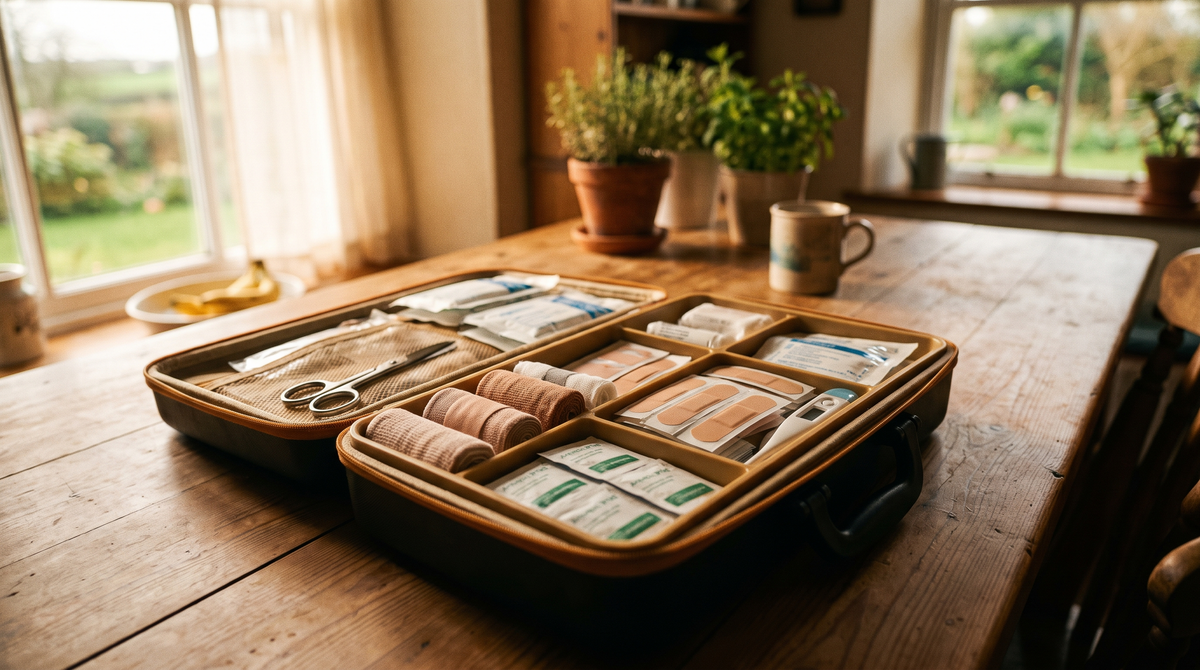
Whether you are heading on a road trip along the Wild Atlantic Way or simply want to be better prepared at home, having the right first aid kit to hand can make a real difference when the unexpected happens. A well-stocked kit gives you the confidence to respond calmly to minor injuries, cuts, burns, and everyday mishaps without unnecessary trips to the pharmacy or a waiting room. Yet with so many options available — from compact travel pouches to comprehensive household boxes — choosing the best first aid kit for your needs can feel surprisingly overwhelming.
At elderlycareproducts.ie, we stock a curated range of first aid essentials designed to suit a variety of settings, from family homes and holiday cottages to cars, caravans, and carry-on luggage. This guide walks you through everything you need to know: the key contents to look for, the differences between home and travel kits, important features to consider, and practical tips for keeping your kit organised and ready when it matters most.
Read on to find the best first aid kit for your home and travel needs, so you can always be one step ahead of life's little emergencies.
Why Every Home and Traveller Needs a Reliable First Aid Kit
It is easy to assume that minor accidents are rare — until they are not. A slip in the kitchen, a scraped knee in the garden, a blister on a long walk, or a sudden headache on a journey can all benefit from prompt, simple care. The Health Service Executive (HSE) in Ireland recommends that every household maintains a basic first aid kit, and the same guidance applies for vehicles and travel bags.
The Case for Home First Aid Kits
At home, a well-positioned first aid kit means you do not have to scramble through cupboards in a moment of stress. A dedicated kit, stored in a consistent, accessible location, ensures that every household member knows where to find bandages, antiseptic, and basic wound care supplies. This is especially important in homes with younger children, active adults, or anyone engaged in DIY projects, cooking, or gardening — all activities that carry a routine risk of minor injury.
The Case for Travel First Aid Kits
When travelling — whether across Ireland or abroad — access to familiar products and prompt care can be limited. Pharmacies may be closed, unfamiliar brands may not suit your preferences, and language barriers can complicate a purchase abroad. A compact travel first aid kit packed before you leave means you carry confidence alongside your luggage. Travel kits are typically lighter and more streamlined than home versions, prioritising portability without compromising on the essentials.
What Should a First Aid Kit Contain? Key Items to Look For
Not all first aid kits are created equal. A quality kit — whether for home or travel — should cover the most common minor medical situations you are likely to encounter. Below is a breakdown of the core contents to look for when selecting your kit.
Wound Care Essentials
- Adhesive plasters in assorted sizes, including waterproof options for hands and fingers
- Sterile gauze pads and dressings for larger wounds or abrasions
- Bandages, including crepe and conforming types for support and compression
- Antiseptic wipes and solution to clean cuts and prevent infection
- Wound closure strips for deeper cuts that need edges held together
- Medical tape to secure dressings in place
Tools and Accessories
- Stainless steel scissors for cutting bandages and clothing if necessary
- Tweezers for removing splinters or debris
- Disposable gloves to maintain hygiene when treating others
- A digital thermometer for checking temperature
- A foil emergency blanket, particularly useful in travel kits for cold weather situations
- A first aid instruction booklet or quick-reference guide
Additional Useful Inclusions
- Triangular bandage and safety pins for slings
- Eye wash pods or a small eye bath
- Blister plasters for walkers and travellers
- Burn gel sachets or burn dressings
- Sterile saline solution for wound irrigation
For a comprehensive selection of wound care supplies to supplement or restock your kit, browse our wound care and dressings range at elderlycareproducts.ie.
Home First Aid Kits vs Travel First Aid Kits: Understanding the Differences
When selecting the best first aid kit for your situation, it helps to understand how home and travel kits differ in their design priorities. While there is considerable overlap in contents, the format, size, and specific inclusions vary meaningfully between the two.
Home First Aid Kits
A home first aid kit is typically stored in a fixed location — a kitchen cupboard, bathroom cabinet, utility room shelf, or dedicated wall-mounted box. Because weight and space are less of a concern, home kits can be more generously stocked. Look for a sturdy, clearly labelled container with compartments or trays that make it easy to locate items quickly. Ideal home kits include:
- A larger range of plaster sizes and types
- Multiple pairs of disposable gloves
- Crepe bandages in several widths
- Cold packs for sprains and bruising
- A comprehensive first aid instruction booklet
- Burn dressings and eye care products
Consider purchasing a kit in a robust hard-shell case to protect the contents, particularly if it will be stored in a garage or utility area where humidity and temperature can fluctuate.
Travel First Aid Kits
Travel kits prioritise compactness, lightweight construction, and portability. A good travel kit should fit easily into a rucksack, glove compartment, or carry-on bag without adding significant bulk. Soft zippered pouches or roll-up organisers are popular formats. For travel, focus on:
- Lightweight waterproof pouch or bag
- Assorted plasters including blister plasters
- A small pair of scissors and tweezers
- Antiseptic wipes in individual sachets
- Compact bandages and wound closure strips
- A foil emergency blanket
- A single pair of gloves
If you are travelling by air, check current regulations on liquids and sharp items when packing your travel kit.
Vehicle First Aid Kits
Many Irish drivers keep a dedicated first aid kit in the car, which is prudent particularly for longer journeys or rural driving where medical facilities may be some distance away. Vehicle kits are often similar to travel kits in size, but should also include reflective triangles and hi-visibility materials where possible. Look for kits with secure clasps that will not spring open during driving.
How to Choose the Best First Aid Kit: Key Buying Considerations
With a clear understanding of the contents and formats available, the following factors will help you identify the best first aid kit to suit your specific circumstances.
1. Size and Capacity
Match the size of the kit to the setting and the number of people it needs to serve. A single-person travel kit will look very different from a kit intended for a large family home. If you host visitors regularly or have a busy household, opt for a generously stocked kit and check that it can be restocked easily when items are used.
2. Quality of the Case or Container
The container matters as much as the contents. Look for:
- A clearly labelled exterior so anyone can identify it quickly
- Secure closures that stay shut but open easily under stress
- Internal organisation such as compartments, trays, or elastic loops to prevent contents from becoming jumbled
- Water-resistant or waterproof materials, particularly for travel and vehicle kits
3. Compliance and Standards
In Ireland and across the EU, first aid kits for workplace use are subject to specific requirements under Health and Safety legislation. For home use the requirements are less prescriptive, but it is still worth looking for kits that reference recognised standards such as BS 8599 (British Standard for workplace first aid kits), which provides a useful quality benchmark even for domestic settings.
4. Ease of Restocking
A first aid kit is only as good as its contents. Once items are used, they must be replaced promptly. Choose a kit from a brand or supplier where replacement items are straightforward to source. It is also good practice to check expiry dates regularly — antiseptic wipes, sterile dressings, and burn gels all carry shelf-life information that should be respected.
5. Supplementary Additions
Depending on your household or travel circumstances, you may wish to add items to a standard kit. Those who manage ongoing skin health concerns may find our skin protection and barrier products a useful complement to standard first aid supplies. Similarly, if pill management is part of your daily routine, our pill management range pairs well with a comprehensive home health setup.
Tips for Maintaining Your First Aid Kit
Buying the right first aid kit is only the first step. Keeping it in good order requires a small but consistent investment of time and attention.
Establish a Routine Check Schedule
Set a reminder every six months — perhaps aligned with the clock changes in spring and autumn — to review your kit. Check for:
- Expired items (dressings, antiseptic wipes, burn gel sachets)
- Used or missing supplies that need replacement
- Damaged packaging that may have compromised sterility
- Items that have been borrowed and not returned
Store Your Kit Correctly
Keep your home kit in a cool, dry location away from direct sunlight. Avoid storing it in a bathroom where steam and humidity can accelerate the degradation of packaging. Ensure the location is known to all household members but is also out of reach of young children.
Keep a Simple Inventory
A short written or digital inventory of what your kit should contain makes it much easier to spot gaps during a routine check. Tape a printed list to the inside lid of the kit so that after any use, restocking is straightforward and methodical.
Frequently Asked Questions About First Aid Kits
What is the minimum a home first aid kit should contain?
As a general guide, a basic home first aid kit should include assorted adhesive plasters, sterile gauze pads, a crepe bandage, disposable gloves, antiseptic wipes, medical tape, tweezers, and scissors. A digital thermometer and a basic first aid instruction guide are also strongly recommended. The more people in your household, the more comprehensive your kit should be.
How often should I replace items in my first aid kit?
Most sterile items such as dressings and antiseptic wipes carry printed expiry dates and should be replaced before they lapse. As a general routine, checking your entire kit every six months is considered good practice. Any item that has been opened, used, or has damaged packaging should be replaced immediately regardless of the expiry date.
Can I take a first aid kit on a flight?
Generally, yes — but there are restrictions. Sharp items such as scissors must have blades shorter than 6cm to be carried in cabin baggage, or they should be packed in checked luggage. Liquid antiseptics and gels must comply with the 100ml liquid rule for carry-on bags. Check the specific regulations of your airline and the relevant aviation authority before travelling.
Is a travel first aid kit the same as a car first aid kit?
They are similar but not identical. A car kit is often slightly larger and may include items suited to roadside emergencies, such as a foil emergency blanket and more substantial dressings. A travel kit is typically more compact and tailored to personal use on foot or via public transport. In practice, a well-chosen travel kit can double as a car kit for shorter journeys.
What is the difference between a sterile and non-sterile dressing?
Sterile dressings are individually packaged in sealed wrappers that protect them from contamination and are intended for direct contact with open wounds. Non-sterile items, such as some bandages and padding, are used for support and securing dressings rather than direct wound contact. Always use sterile products when managing open cuts or abrasions to reduce the risk of infection.
Where should I store my first aid kit at home?
Ideally in a cool, dry, easily accessible location known to all members of the household. Common choices include a kitchen cupboard, a utility room shelf, or a hallway cabinet. Avoid bathrooms due to humidity, and ensure the kit is clearly labelled and away from children's reach while still being reachable quickly by adults in an emergency.
Conclusion
A reliable first aid kit is one of the most practical investments you can make for your home and your travels. Whether you are managing a busy family household, an active lifestyle, or simply want the reassurance of being prepared, the right kit — properly stocked, correctly stored, and regularly reviewed — provides genuine peace of mind. From compact travel pouches that slip into a rucksack to comprehensive home kits with room for every essential, there is a format to suit every need and every setting.
At elderlycareproducts.ie, we are committed to helping you stay safe, prepared, and confident in your everyday environment. Explore our full first aid range at elderlycareproducts.ie to find kits, wound care supplies, and health essentials delivered to your door across the Republic of Ireland.